Patient Education for Gout: What Prevents the Next Flare
The flare is what brings the patient in. The next flare is what the education is for.
A patient comes in with a hot, swollen big toe. They want one thing: for the pain to stop. They leave with a medicine for the flare, and within a few days it works.
Patient education for gout has to reach past that flare. The flare medicine treats the pain. It does not lower the urate level behind the next one. A patient who starts urate lowering therapy needs three messages. The daily medicine is long term. Flares can come more often in the first months. And the dose is set by a blood test. Across studies, fewer than half of patients with gout keep taking that medicine.
The flare is what brings the patient in. The next flare is what the education is for.
Most patients with gout stop the medicine that prevents flares
The 2020 American College of Rheumatology guideline (opens in a new tab) states the problem plainly. Adherence to urate lowering therapy remains poor, and it is the lowest among treatments for seven common chronic conditions.
Two systematic reviews published in 2018 put a number on it. One pooled 22 studies and found an overall adherence rate of 47 percent (opens in a new tab). The other found 46 percent of patients adherent (opens in a new tab) across 13 studies. In six studies, the share of patients with a gap of 30 days or more ranged from 54 to 87 percent. Most of these studies counted pharmacy claims. Pill counts and self reports gave higher rates.
Part of the reason is what patients believe about gout. The authors of the trial below list two common misconceptions: that gout is not a serious condition, and that it is self inflicted through lifestyle. They add that some physicians share them.
A patient who believes the second one may hear any talk about diet as blame. The ACR panel noted this directly. It asked clinicians to take care that dietary advice is not heard as blaming the patient, because patients with gout often feel stigmatized.
What one trial of gout education found
One clear test of gout education in primary care is a trial of nurse led care in the United Kingdom (opens in a new tab). It enrolled 517 adults who had had a flare in the previous year. Half continued with usual care from their general practitioner. The other half saw nurses trained to explain gout in full: its nature, causes, associations, consequences and treatment options. The nurses discussed what patients believed about the disease and involved them in deciding on treatment. Patients who chose urate lowering therapy had their dose adjusted until their urate level reached a target.
At two years, 95 percent of the nurse group had reached the target, against 30 percent with usual care. In year two, 8 percent of the nurse group had two or more flares, against 24 percent.
Year one looked different. In the first year, 54 percent of the nurse group had two or more flares, against 40 percent with usual care. The group that started and adjusted the medicine had more flares before it had fewer. Only three patients in that group chose preventive colchicine while their dose was being adjusted.
The trial has limits, and its authors name them. The intervention could not be blinded, and practices interested in gout may have been more likely to take part. Education, shared decisions and a treat to target protocol came as one package, so the trial cannot say how much the explanation did on its own.
What it does show is that care built around explaining gout kept patients on treatment. Adherence in the nurse group was 95 percent at two years.
Where the gout guidelines agree and where they differ
The guidelines agree that flares are treated with colchicine, an NSAID or a corticosteroid. They differ on when to start urate lowering therapy and how hard to aim it.
The ACR 2020 guideline (opens in a new tab) strongly recommends a treat to target strategy, with the dose adjusted until serum urate is below 6 mg/dl. It strongly recommends antiinflammatory prophylaxis for at least three to six months when that therapy starts. It conditionally recommends against starting the therapy after a first flare, with exceptions. It also conditionally recommends delivering that protocol with patient education and shared decision making, through nurses or pharmacists. Where a practice has no such staff, it says the key is for the treating clinician to educate the patient.
The American College of Physicians 2017 guideline (opens in a new tab) recommends against starting long term urate lowering therapy in most patients after a first attack, or in patients with infrequent attacks. For patients with recurrent attacks, it strongly recommends that clinicians discuss benefits, harms, costs and the patient's preferences before starting. The authors of the nurse led trial disagree with the ACP, and argue that their results support treating to a target.
The EULAR 2016 recommendations (opens in a new tab) go furthest. Alongside education, they say urate lowering therapy should be considered from the first presentation of gout, with serum urate kept below 6 mg/dl.
So the guidelines disagree on timing and on targets. All three pair the prescription with education or a discussion of the patient's options.
What to tell a patient with gout
Whichever guideline a clinician follows, the patient goes home with the same questions. Five answers cover them.
What gout is. A long term condition, not a run of separate attacks. The flare medicine treats the attack. Urate lowering therapy, if the patient chooses it, treats the urate level behind it.
What to do when the next flare starts. The ACR panel favors a medicine in pocket approach. A patient who can recognize the early signs keeps flare treatment at home and starts it early. Its patient panel preferred this too. A plan for colchicine can carry the dose and timing home.
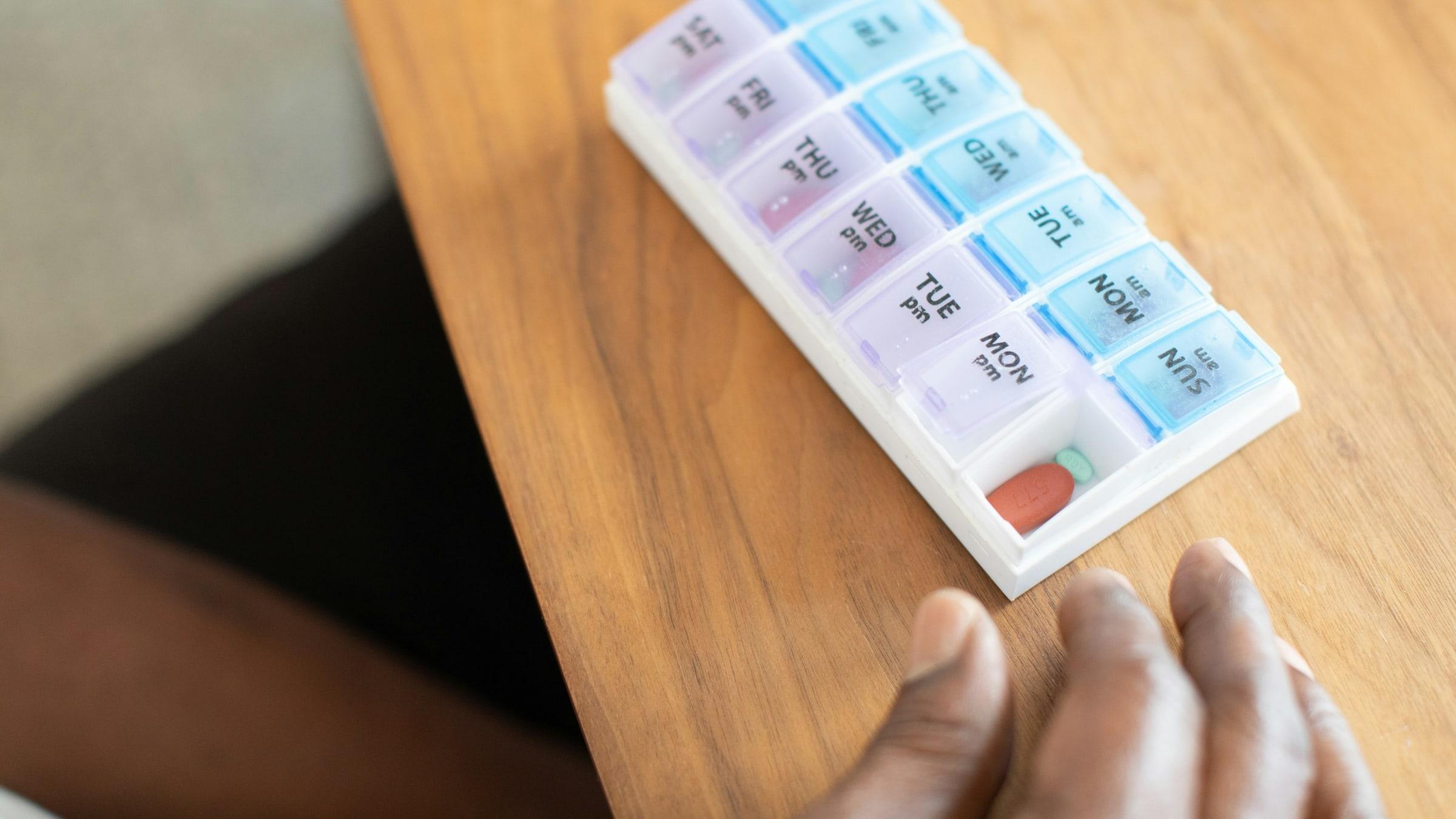
Why a daily medicine, and for how long. If urate lowering therapy starts, it is long term. The ACR conditionally recommends continuing it indefinitely rather than stopping. A plan for allopurinol can explain what the medicine does and why it is taken on days without pain.
Why flares may come more often at first. Starting the medicine can bring flares, which is why prophylaxis is recommended for at least three to six months. In the nurse led trial, the group on treatment had more frequent flares in year one and far fewer in year two. A patient who has not heard this may decide the new medicine is making gout worse, and stop.
The blood test and the number. The dose is adjusted until urate is below a target, so there will be blood tests. The ACR's patient panel said that seeing their urate levels reinforced why adherence mattered.
Food and drink belong in the conversation, in proportion. The ACR conditionally recommends limiting alcohol, purines and high fructose corn syrup, and a weight loss program for patients who are overweight. The ACR notes that the effect of individual foods on urate is small. In one small trial of 29 patients already at target on medicine, teaching a low purine diet improved what they knew without lowering their urate. The ACR conditionally recommends against vitamin C supplements.
A written plan for gout can hold those five answers. Keeping a long term medicine going is its own problem, and our article on medication adherence strategies covers what the trials support.
A practice can also count. Of our patients taking allopurinol, how many had a urate level checked this year?
The flare ends in days. The education is for every month after it.
Let's Complete the Care.