Patient Education for Type 2 Diabetes at Diagnosis
The first visit does not have to teach diabetes. It has to start the teaching and hand it on.

A patient learns near the end of a routine visit that they have type 2 diabetes. There is a medication to start, a lab to repeat and a long list of things to change. Only a few minutes are left.
Patient education for type 2 diabetes at diagnosis has two jobs. The first is to give the patient a short, accurate picture of the condition and one first step. The second is to refer them to diabetes self management education and support, and to a dietitian, which the American Diabetes Association recommends at diagnosis. Most newly diagnosed patients do not get that education. In two large claims studies, about 5 to 7 percent took part in the first year.
The first visit does not have to teach diabetes. It has to start the teaching and hand it on.
What the ADA asks for at a type 2 diabetes diagnosis
The ADA Standards of Care 2026 (opens in a new tab) advise that all people with diabetes take part in diabetes self management education and support, known as DSMES. That recommendation carries the ADA's highest evidence grade. A second recommendation sets the timing: at diagnosis, every year or when goals are not met, when complicating factors develop, and at transitions in life and care. That one rests on expert consensus.
The Standards describe DSMES as an ongoing process, not a single event. The national standards for these programs cover eight areas:
What diabetes is and the treatment options.
Healthy coping.
Healthy eating.
Being active.
Taking medication.
Monitoring.
Reducing risk, including treating complications.
Problem solving and behavior change.
The Standards also say that every person with diabetes should be referred to a registered dietitian for medical nutrition therapy, at diagnosis and as needed after that. And they note that programs do better when they run longer than 10 hours over 6 to 12 months.
No single visit can cover that list. The Standards do not expect it to.
Most newly diagnosed patients do not get diabetes education
The gap between that guidance and practice is large.
A CDC analysis of insurance claims (opens in a new tab) followed privately insured adults aged 18 to 64 who were newly diagnosed in 2011 and 2012. An estimated 6.8 percent took part in diabetes education in the first year. The authors explain why the timing matters: when diabetes is first diagnosed is when patients appear most receptive.
The picture in Medicare was similar. In a 20 percent sample of fee for service beneficiaries (opens in a new tab) newly diagnosed in 2010, about 5 percent used the training benefit, which Medicare has paid for since 2000. Use was lower among men, older beneficiaries, beneficiaries who were not White, those eligible for both Medicare and Medicaid, and those with other conditions. It was higher where more programs were available.
Both studies count claims, so education not billed to insurance does not appear. Both are also more than a decade old. The 2026 Standards suggest the problem has not gone away: fewer than 10 percent of people referred through their insurance or Medicare receive DSMES. Survey answers run higher: in an analysis of one national survey, about half of participants reported getting diabetes education.
The Standards name the reasons. Low participation can come from a lack of referrals, from access and timing, from cost, and from a lack of perceived benefit.
Two of those four start in the exam room. A referral that is never made, and a patient who does not see why it matters.
What one program at diagnosis changed, and what it did not
The best known trial of education at diagnosis is DESMOND (opens in a new tab). It randomized 207 general practices in the United Kingdom and enrolled 824 adults with newly diagnosed type 2 diabetes. The program was six hours of group education, delivered in the community by two trained educators.
At 12 months, HbA1c had fallen in both groups, by 1.49 and 1.21 percent. After adjustment, the difference was not significant. The education group lost more weight, with 2.98 kg against 1.86 kg. They had higher odds of not smoking, lower depression scores, and a better understanding of their diabetes on measures of illness beliefs.
At three years (opens in a new tab), the weight, smoking and depression differences were gone. HbA1c still did not differ. What lasted were the changes in how patients understood their illness, on four of five belief measures.
So a single program changed what patients believed about diabetes, and that held. It did not change blood sugar more than usual care, which in these practices already brought HbA1c down.
That fits the wider evidence. The review of diabetes self management programs discussed in our article on whether patient education improves outcomes found that programs with 10 or more contact hours more often lowered A1C. Six hours, once, is less than that. The ADA's call for education every year and at each transition reads the same way.
Education at diagnosis is a start. It is not a course that can be completed.
What the first visit can do
The first visit cannot replace a program. It can make sure the program happens, and give the patient enough to act on until then. Five parts cover it.
The picture. What type 2 diabetes is, in plain words, and what the treatment plan is today. This is the first of the eight areas. Illness beliefs were the one DESMOND effect still present at three years.
One first step. One change in eating or activity that the patient chooses, written down. The rest of healthy eating belongs to the dietitian.
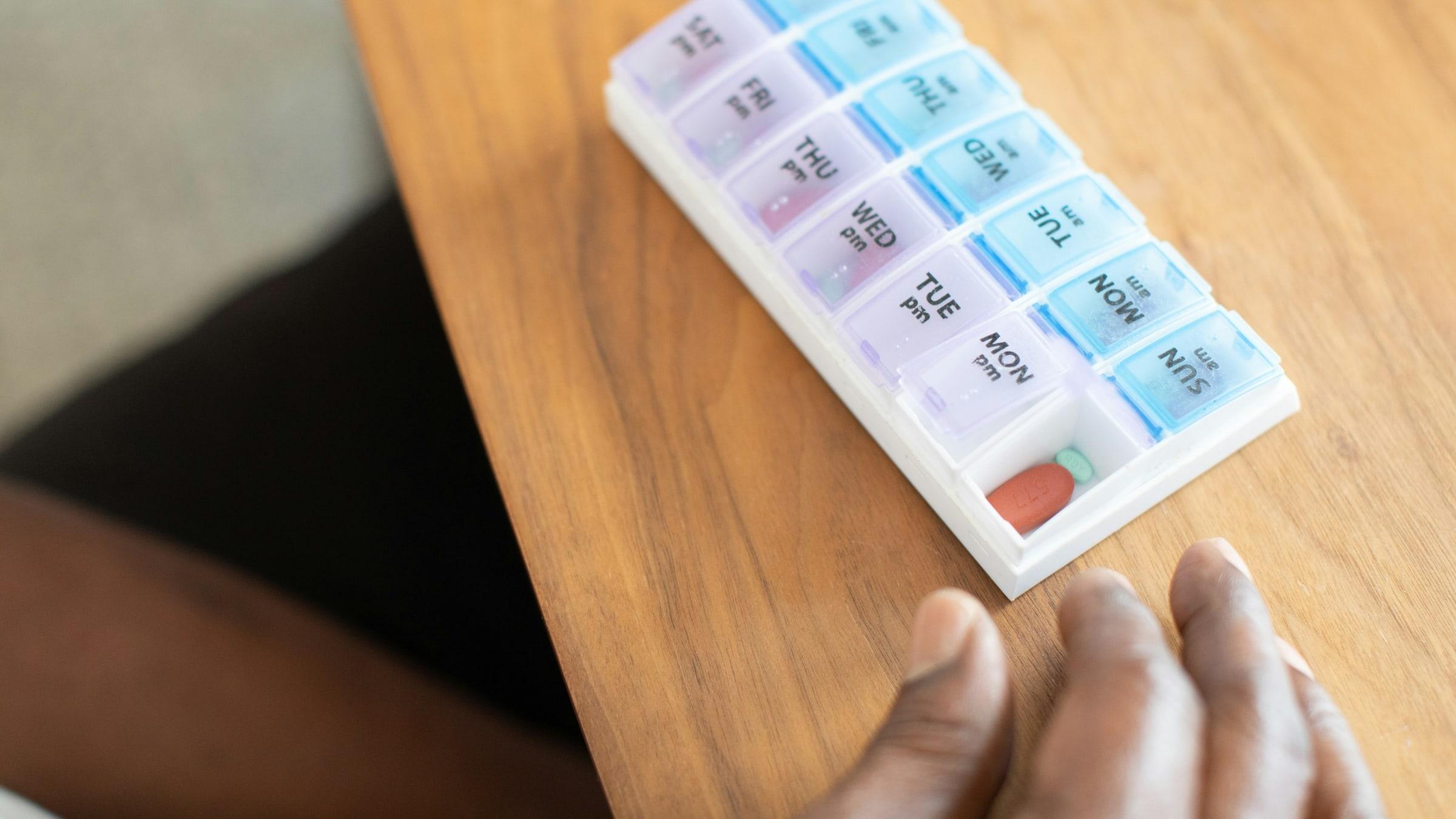
The medication, if one starts today. What it is, when to take it and what to watch for. A plan for metformin can carry those details home.
The referral, with its reason. A DSMES referral and a dietitian referral, made at this visit. Then one sentence on why, because a lack of perceived benefit is one of the reasons patients do not go.
The next visit. When it is, and what will be reviewed. The Standards ask for DSMES to be considered again each year and whenever goals are not met.
Asking how the patient is taking the news fits here too. Healthy coping is one of the eight areas, and a new diagnosis is a lot to hear in a few minutes.
A written plan for type 2 diabetes can hold those five parts. A patient told they have prediabetes can use a shorter version of the same thing: the picture, one step and the next visit.
A practice can also count. Of the patients we diagnosed with type 2 diabetes this year, how many were referred to DSMES, and how many went?
The diagnosis takes a minute to give. The education can start the same day.
Let's Complete the Care.