Can Medical Assistants Provide Patient Education?
The clinician decides; the medical assistant reinforces and closes the loop.
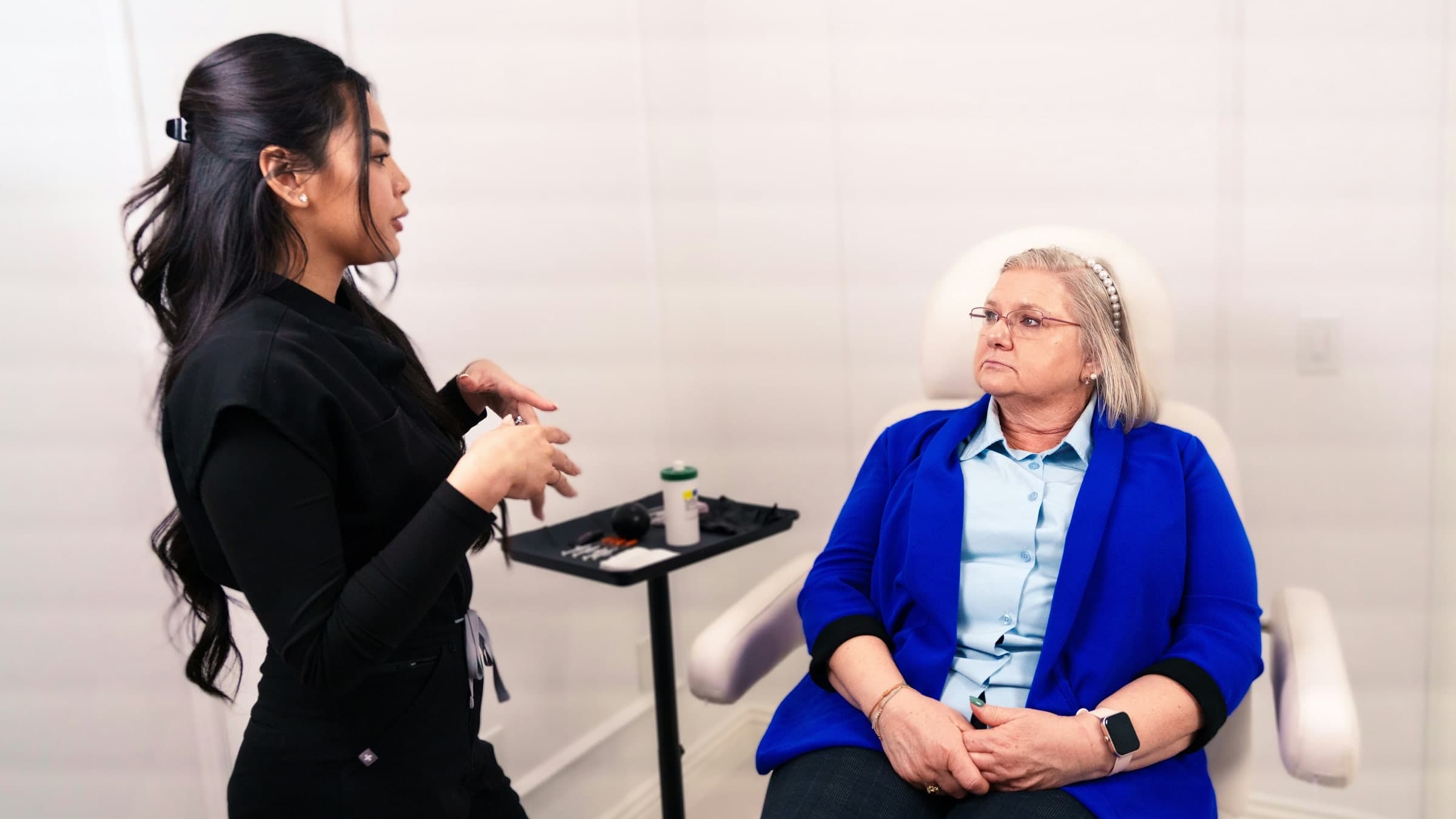
A patient leaves the exam room with a new medication and three things to remember. The physician has already moved on to the next room. The medical assistant is the one who walks the patient to checkout.
Yes, medical assistants can provide patient education, within limits. In randomized trials, medical assistants trained as health coaches helped patients reach diabetes goals more often and, by their own report, take their medications more consistently. What they may do is set by state law, and it does not include clinical assessment or decisions that belong to a licensed clinician.
So the useful question is which part of the teaching they should own.
What trials of medical assistant coaching found
The best known evidence comes from two safety net clinics in San Francisco. In 2015, Willard-Grace and colleagues randomized 441 patients (opens in a new tab) with poorly controlled diabetes, hypertension or high cholesterol to a year of coaching by medical assistants or to usual care.
The coaches were three medical assistants with diplomas from 3 to 12 month programs. Each received 40 hours of health coach training. They met the patient before the visit and stayed in the room during it. Right after, they reviewed the care plan with the patient, then followed up between visits in person and by phone.
Coached patients were more likely to reach at least one clinical goal, 46.4 percent compared with 34.3 percent. Almost twice as many reached the hemoglobin A1c goal, 48.6 percent compared with 27.6 percent. The share meeting the blood pressure goal did not differ significantly.
The same trial reported two more outcomes. Coached patients said they took all their medications on more days (opens in a new tab) of the past week, and the medications they reported matched the chart more often. They also rated their chronic care more highly (opens in a new tab). At one year, 85 percent would definitely recommend their clinic, compared with 73 percent in usual care.
A larger test followed in 2024. Fortmann and colleagues randomized whole clinics (opens in a new tab), enrolling 600 adults with type 2 diabetes in a federally qualified health center and a private health system. A1c fell more with medical assistant coaching than with usual care, though the difference was small. The authors suggest the approach may work best in community health center settings.
These were trained, dedicated coaches. They were not medical assistants fitting education into a full rooming schedule. Only three coaches delivered the San Francisco program, and its authors caution that the results may not generalize.
Where scope of practice draws the line
There is no single national answer. The American Association of Medical Assistants notes that scope of practice laws (opens in a new tab) for medical assistants "may vary by state." Some state laws do not name medical assistants at all. In those states they are often classified as unlicensed personnel.
At a 2022 MGMA session, the association's legal counsel, Donald Balasa, set out general principles, as reported by Medical Economics (opens in a new tab). Medical assistants may not perform tasks that require clinical assessments, evaluations or interpretations. They may not take on tasks that state law reserves for licensed professionals, such as physical therapists. And a physician's confidence in a medical assistant does not, by itself, make a task delegable.
That matters for chiropractic and physical therapy practices too. Going over a home exercise sheet that a licensed clinician prescribed is one thing. Teaching a new exercise program is another.
Each practice should check its own state's rules. Its malpractice carrier can also give a written opinion.
A simple way to divide the teaching
The trials suggest a shape that fits most clinics. The clinician decides; the medical assistant reinforces and closes the loop.
The clinician
Makes the diagnosis, chooses the treatment and selects the written plan.
Explains the decision and answers clinical questions.
The medical assistant
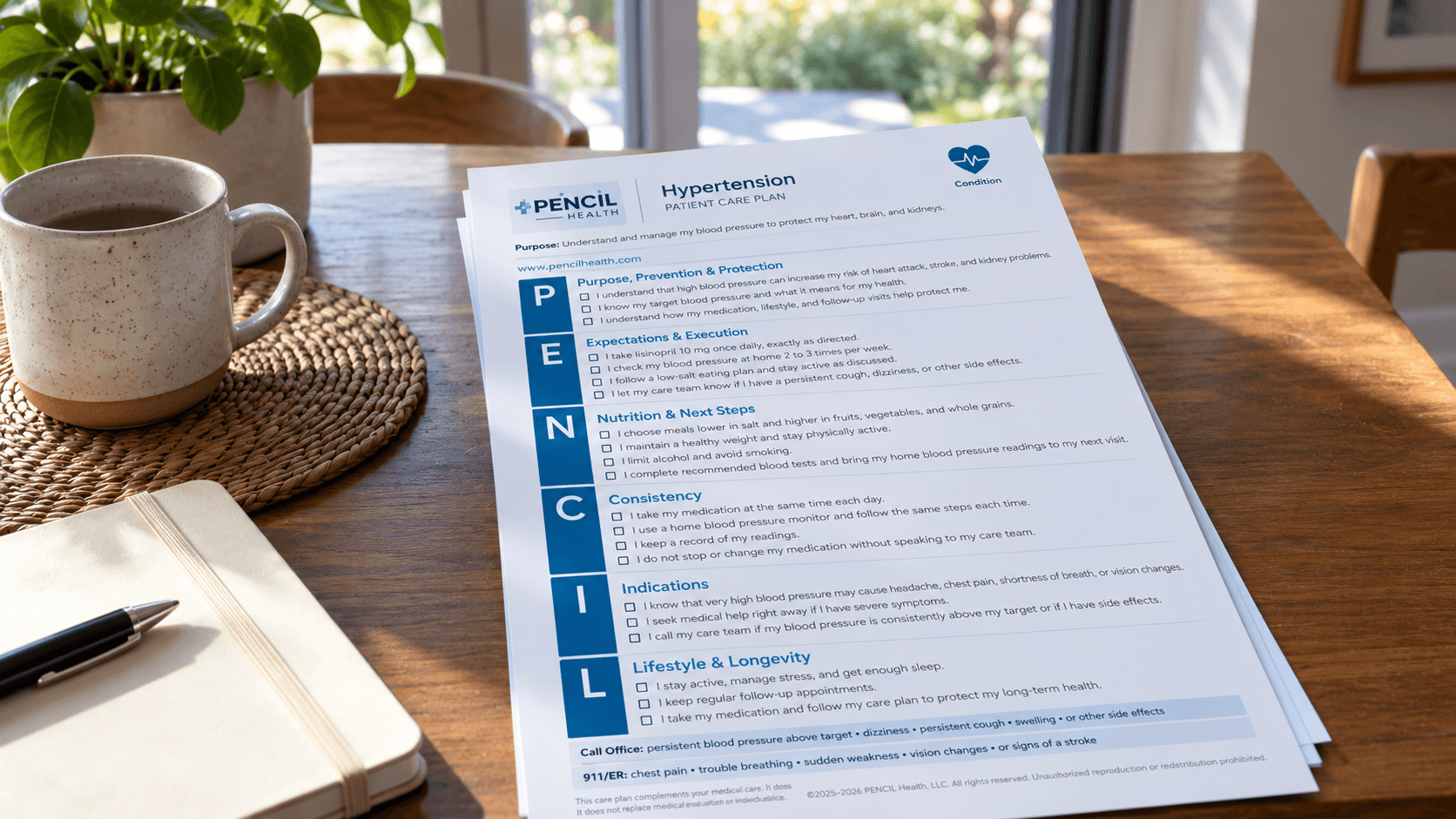
Goes over the plan the clinician chose, item by item, before the patient leaves.
Asks the patient to describe the first step in their own words, and brings any confusion back to the clinician.
Follows up between visits, as the San Francisco coaches did, and routes every clinical question to the clinician.
Asking for the first step in their own words is the teach back method, used here as a check on the plan rather than a test of the patient.
Nothing on that list asks the medical assistant to judge a symptom or change a plan. A patient who reports a new symptom, a side effect or a reason they cannot follow the plan goes back to a licensed clinician.
For a patient with type 2 diabetes, hypertension or a new atorvastatin prescription, that review has something concrete to work from. The written plan carries the clinician's choices, and the medical assistant helps the patient find their way through it.
The same principle already works at the front desk, where staff can hand over the plan the physician chose without making medical decisions.
Start with one condition
A practice does not need a coaching program to begin. It can pick one common condition, decide which parts of the teaching stay with the clinician, and give the medical assistant the rest in writing.
Then it can ask two questions after a month. How many patients left with the plan reviewed? How many questions came back to the clinician that should have?
The clinician chooses the plan. The care team makes sure the patient leaves able to use it.
Every patient deserves to leave knowing exactly what to do next.
Let's Complete the Care.